The Silk Road Explained: A First-Timer’s Guide
What exactly was the Silk Road, where did it run, and how do you travel it today? A friendly primer for first-time visitors to Central Asia.
What was the Silk Road?
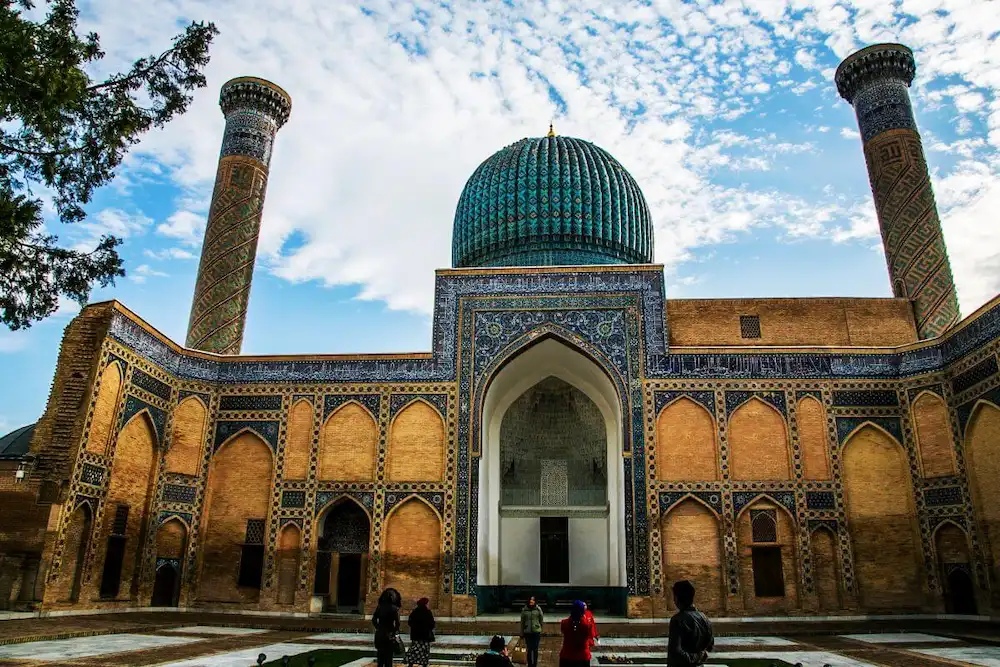
The Silk Road was never a single road but a web of caravan routes that linked China with the Mediterranean for well over a thousand years. Silk travelled west, silver and horses travelled east, and ideas, faiths and recipes travelled in every direction — turning oasis towns like Samarkand and Bukhara into some of the richest cities on earth.
Where does it run today?
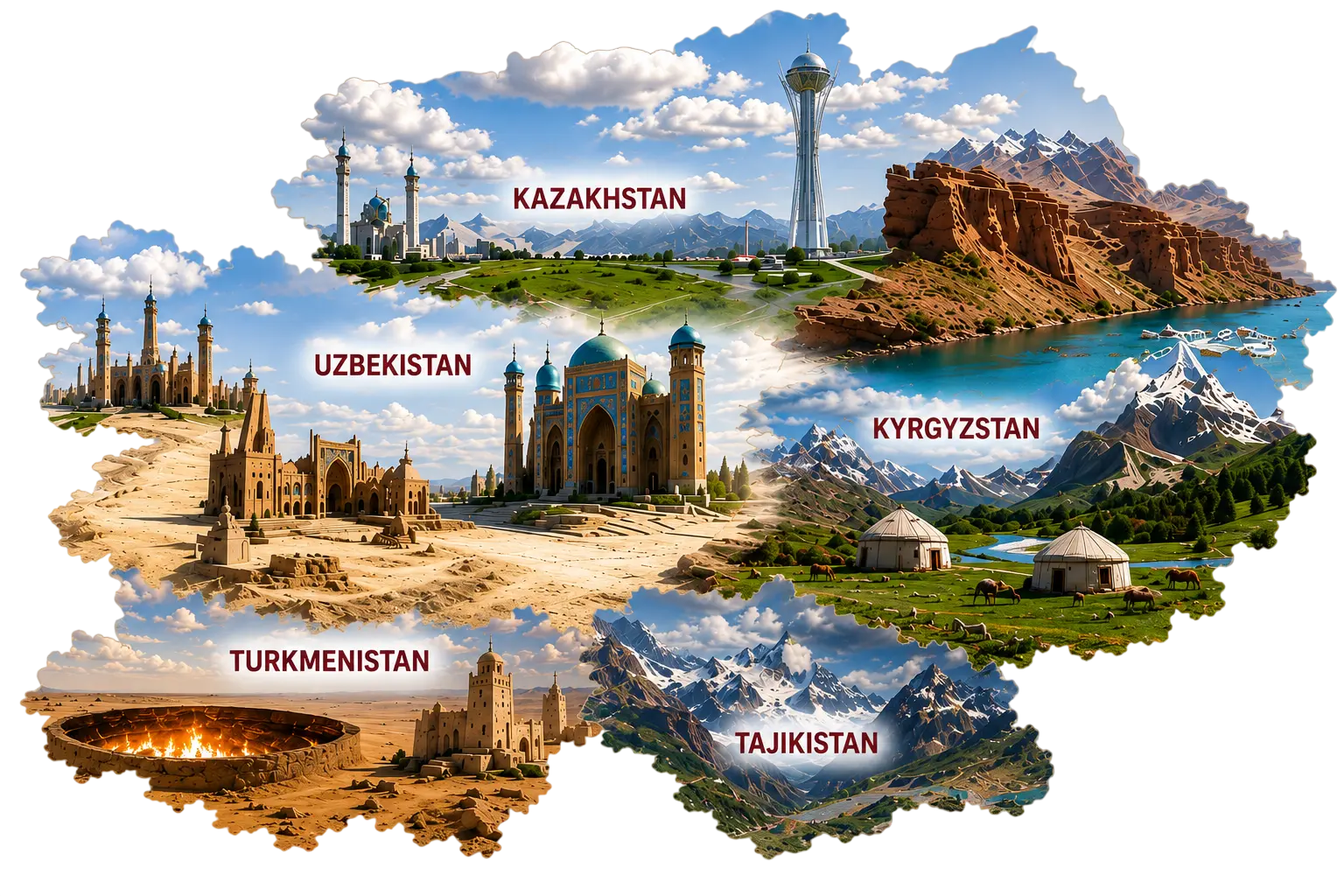
The classic Central Asian stretch threads through Uzbekistan, with side routes reaching into Kazakhstan, Kyrgyzstan, Tajikistan and Turkmenistan. Most first-time travellers follow the Tashkent–Samarkand–Bukhara–Khiva line, which strings together the greatest concentration of monuments in the region.
How to travel it
High-speed trains connect the main Uzbek cities in just a few hours, while shared cars and short flights fill in the gaps. Allow at least a week for the highlights, and longer if you want to cross borders and add mountains or desert to your route.
A few first-timer tips
Dress modestly at religious sites, carry small cash for bazaars, and learn a handful of local greetings — hospitality here runs deep, and a little effort is warmly repaid. Spring and autumn offer the kindest weather for long days of sightseeing.